

Inventory Labelling – All You Need to Know
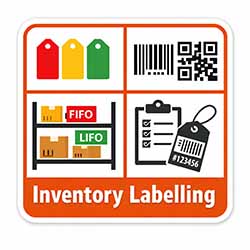
Efficient inventory management is the backbone of any successful business. Whether you run a warehouse, retail store, or manufacturing operation, knowing exactly what stock you have, and where it is, can save time, reduce errors, and improve profitability.
One of the simplest yet most powerful tools to achieve this is inventory labelling. When implemented correctly, it transforms chaotic stockrooms into organised, efficient systems that are easy to manage and scale. You can print these yourself with a label printer or have them custom printed for you.
Here’s everything you need to know about inventory labelling and how to use it effectively.
1. Categorisation and Organisation
The foundation of good inventory management starts with clear categorisation. Labels allow you to group products by key attributes such as:
- Product type
- Size or variation
- Batch or lot number
- Expiration date
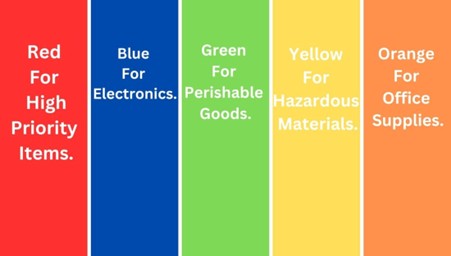
A highly effective technique is colour coding. For example:
- Red labels for perishable goods
- Green labels for non-perishables
- Yellow labels for priority or fast-moving items
This visual system enables staff to identify stock instantly, reducing picking errors and speeding up workflows.
2. Barcode and QR Code Labels
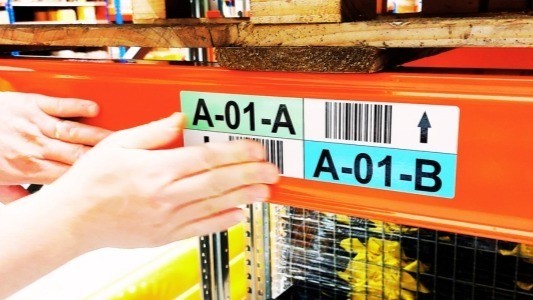
Barcode and QR code labels are essential for modern inventory systems. They allow you to:
- Automate stock tracking
- Reduce manual data entry errors
- Access product information instantly
- Maintain real-time stock levels
With a quick scan using a handheld barcode scanner or smartphone, employees can retrieve details such as location, quantity, and product specifications. This not only improves accuracy but also dramatically increases efficiency.
3. Shelf and Bin Labelling
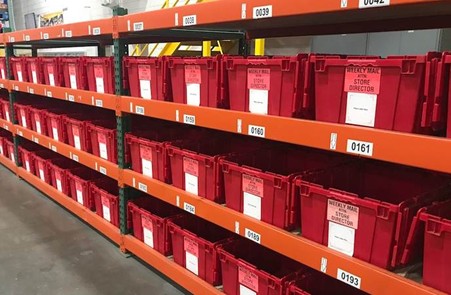
Clear shelf and bin labelling ensures that every item has a defined location. This is particularly important in environments where:
- Multiple similar items are stored
- Large volumes of stock are handled
- Speed is critical (e.g., e-commerce fulfilment)
Benefits include:
- Faster picking and packing
- Reduced training time for new staff
- Fewer misplaced items
Using durable synthetic or removable labels also makes it easy to update layouts as your inventory evolves.
4. Stock Rotation: FIFO and LIFO
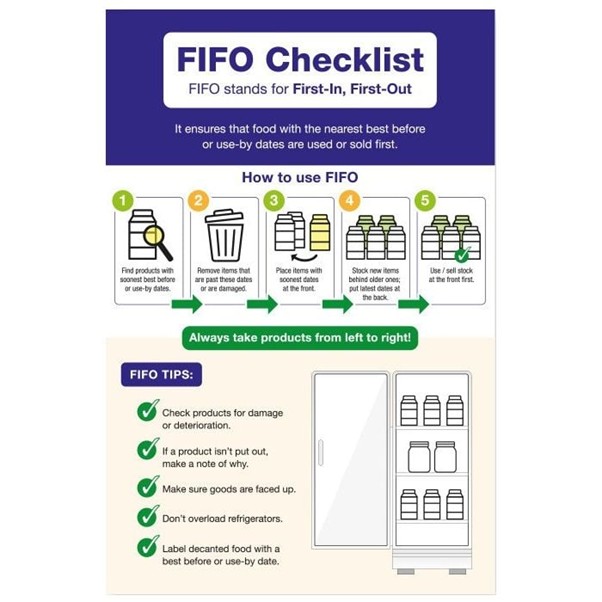
Stock rotation is crucial for maintaining product quality and minimising waste.
- FIFO (First In, First Out):
Older stock is used or sold first. Ideal for perishable goods. - LIFO (Last In, First Out):
Newer stock is used first. Suitable for certain non-perishable or bulk materials.
Using clear FIFO or LIFO labels helps staff follow the correct process without confusion, ensuring consistency across operations.
5. Asset Tracking Labels
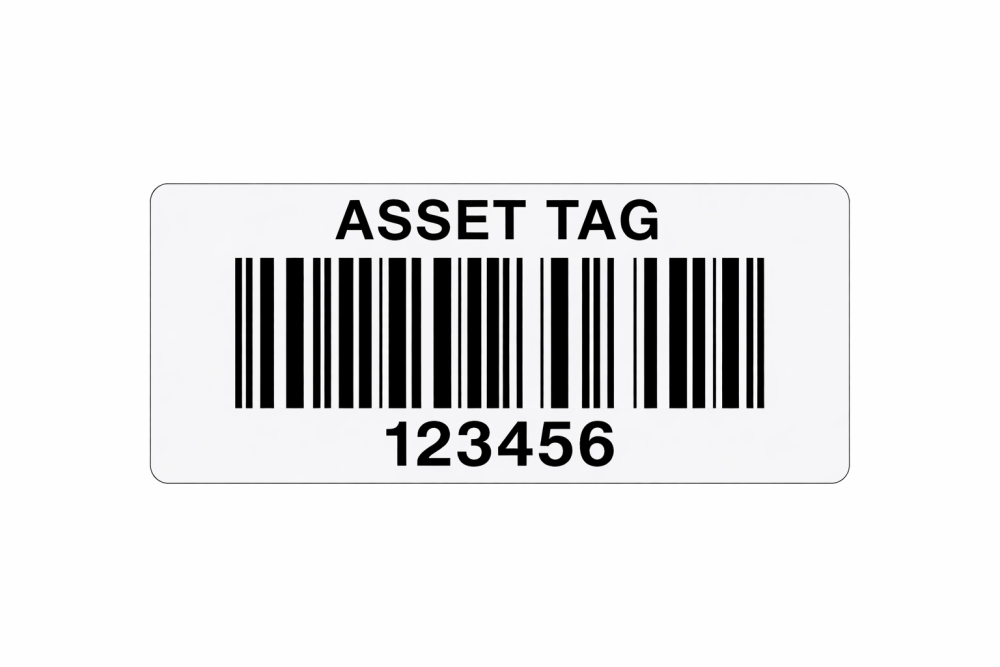
Inventory labelling isn’t just for stock, it’s also vital for asset management.
Asset tracking labels help monitor:
- Equipment
- Tools
- Returnable containers
- High-value items
These labels often include barcodes, QR codes, or serial numbers, making it easy to track movement and prevent loss or theft. For long-term use, businesses often choose weather-resistant or tamper-proof labels.
6. Inventory Audits and Compliance
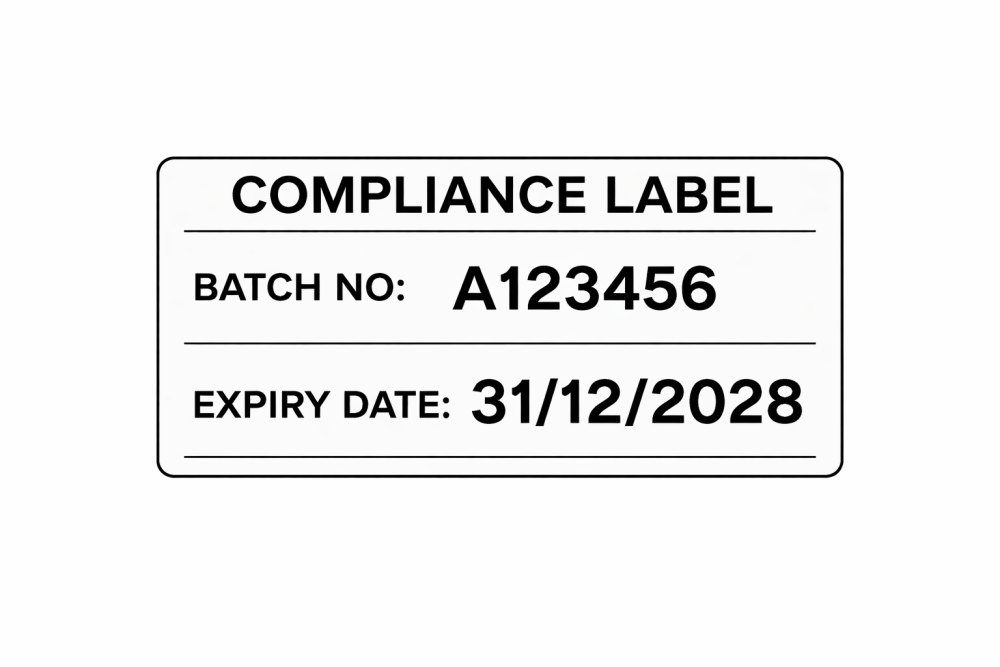
Labels play a key role in audits and regulatory compliance. They can include:
- Batch or lot numbers
- Expiration dates
- Supplier information
- Safety or compliance details
This makes it much easier to:
- Perform stock checks
- Trace products
- Meet industry regulations
Well-labelled inventory ensures that audits are faster, smoother, and far less stressful.
Conclusion
Inventory labelling is a simple investment that delivers significant returns. From improving organisation and accuracy to speeding up operations and reducing waste, the benefits are clear.
Whether you’re using:
- Colour-coded labels
- Barcode or QR systems
- Shelf and bin identifiers
- Asset tracking tags
A well-designed labelling strategy can transform the way your business manages stock.
By implementing the right solutions, you’ll not only gain better control over your inventory, but also create a more efficient, scalable operation ready for growth.