

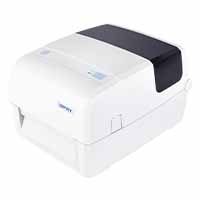
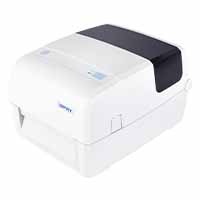
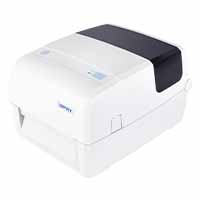
Labels Compatible with the iDPRT iT4S Printer
The labels in this category have been selected for use with the iDPRT iT4S thermal transfer label printer.
The range includes paper thermal transfer labels, synthetic thermal transfer labels and direct thermal labels. Compatible rolls can have 12.5mm (½"), 25mm (1") or 38mm (1½") cores and a maximum outside diameter of 127mm (5").
The maximum media width for this category is 118mm.
Compatible Label-Roll Dimensions
Labels suitable for the iDPRT iT4S should meet the following requirements:
- Printing method: thermal transfer or direct thermal
- Maximum print width at 203dpi: 108mm
- Maximum print width at 300dpi: 106mm
- Overall media width: 25mm to 118mm
- Roll core diameter: 12.5mm (½"), 25mm (1") or 38mm (1½")
- Maximum outside roll diameter: 127mm (5")
The overall media width includes both the label and its backing paper. Because the backing paper is normally slightly wider than the label itself, customers should check the complete media width rather than measuring only the face of the label.
Although the printer accepts media up to 118mm wide, the printed design must remain within the maximum print width for the printer’s resolution.
Paper Thermal Transfer Labels
Paper thermal transfer labels require a compatible printer ribbon. Heat from the printhead transfers ink from the ribbon onto the label surface, producing a durable and long-lasting printed image.
These labels are suitable for:
- Product and packaging labels
- Barcode and QR-code labels
- Stock and inventory identification
- Warehouse and racking labels
- Pallet and logistics labels
- Retail and price labels
- Batch and date-code labels
- Manufacturing identification
Wax ribbons are commonly used with standard paper labels. Wax-resin ribbons may be more suitable for coated papers or applications requiring improved resistance to rubbing and handling.
Synthetic Thermal Transfer Labels
Synthetic materials such as polypropylene and polyester provide greater durability than standard paper labels.
Depending on the material, adhesive and ribbon selected, synthetic labels can offer improved resistance to moisture, tearing, abrasion, oils, chemicals and temperature changes.
Synthetic labels can be used for:
- Asset and equipment identification
- Electrical and electronic components
- Industrial and manufacturing labels
- Bottles, containers and packaging
- Chemical and laboratory identification
- Warehouse and racking labels
- Durable barcode tracking
- Labels exposed to moisture or frequent handling
Synthetic labels normally require a compatible wax-resin or resin thermal transfer ribbon.
Direct Thermal Labels
When operating in direct thermal mode, the iT4S can print onto heat-sensitive labels without using ink, toner or a thermal transfer ribbon.
Direct thermal labels are suitable for short- to medium-term applications including:
- Shipping and courier labels
- Address and dispatch labels
- Barcode and tracking labels
- Parcel identification
- Temporary stock labels
- Warehouse picking labels
- Retail and price labels
- Batch and date-code labels
The printer must be configured for direct thermal printing before these labels are used.
Selecting the Correct Label Type
Choose direct thermal labels when you require economical, ribbon-free printing for shipping or other relatively short-term applications.
Choose paper thermal transfer labels when the printed information needs to remain readable for longer or withstand additional handling.
For applications involving moisture, abrasion, oils, chemicals or outdoor exposure, a synthetic thermal transfer label may be the most appropriate choice.
Choosing the Correct Labels and Ribbon
Before ordering, check the label width, label length, complete backing-paper width, core diameter and outside roll diameter.
The overall media width must be between 25mm and 118mm, and the roll must not exceed 127mm in outside diameter. Rolls on 12.5mm, 25mm and 38mm cores can be used, provided the remaining dimensions are compatible.
When using paper or synthetic thermal transfer labels, the ribbon must be matched to the label material. The ribbon should also be slightly wider than the label to provide complete print coverage and help protect the printhead.
If you are unsure which labels or ribbons to order, please contact us with the printer resolution, required label dimensions and details of the application. Our team will be happy to recommend a suitable combination.