

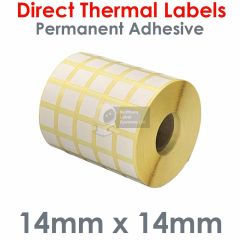
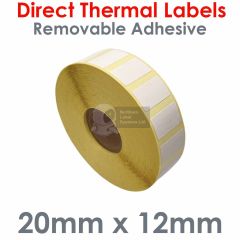
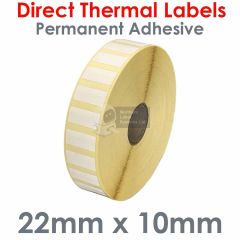
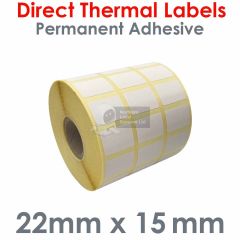
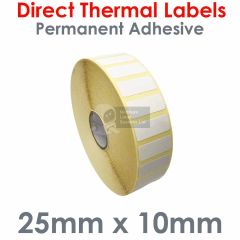
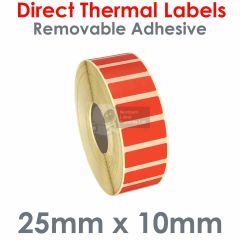
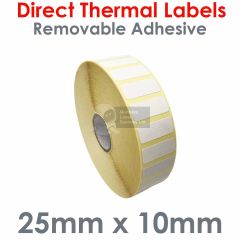
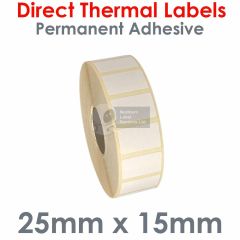
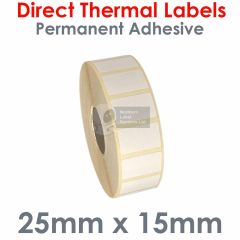
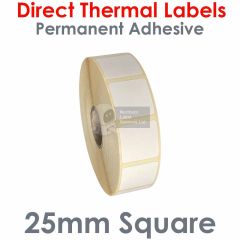
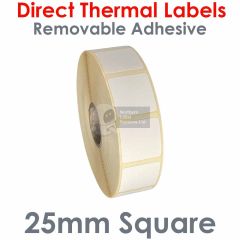
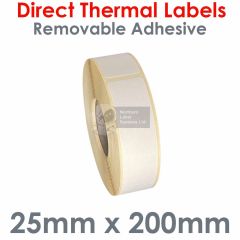
Direct Thermal Labels for the iDPRT iT888 Printer
Our direct thermal labels are compatible with the iDPRT iT888 printer when it is operating in direct thermal mode. The heat-sensitive label surface produces clear text, barcodes and graphics without requiring ink, toner or a thermal transfer ribbon.
The iT888 accepts media widths between 25mm and 118mm, including the label and backing paper. The maximum media width for this category is 118mm.
Compatible Label-Roll Specifications
Direct thermal labels in this category are selected according to the following requirements:
- Printing method: Direct thermal
- Maximum print width: 108mm
- Media width: 25mm to 118mm
- Label-roll cores: 12.5mm or 25mm
- Maximum outside roll diameter: 127mm
- Thermal transfer ribbon required: No
Media width includes both the label and its backing paper. Label artwork must remain within the printer’s maximum printable width of 108mm.
What Are Direct Thermal Labels?
Direct thermal labels have a heat-sensitive surface that darkens as it passes beneath the printer’s thermal printhead. This ribbon-free printing method is quick, convenient and economical, making it particularly suitable for labels intended for short- to medium-term use.
Common applications include:
- Shipping and courier labels
- Address and dispatch labels
- Barcode and QR code labels
- Parcel and pallet identification
- Stock and inventory control
- Warehouse picking labels
- Retail and price labels
- Batch and date labels
- Food-rotation labels
- General office labelling
Standard and Top-Coated Direct Thermal Labels
Standard direct thermal paper labels are suitable for general shipping, warehouse, retail and identification applications.
Top-coated direct thermal labels have an additional protective surface that provides improved resistance to moisture, oils, handling and environmental exposure. They are useful when labels may be subjected to more demanding conditions.
Direct thermal printing can gradually fade when exposed to heat, strong sunlight or certain chemicals. Thermal transfer synthetic labels may be more appropriate when long-term durability or resistance to demanding conditions is required.